Roma città aperta (Rome Open City)
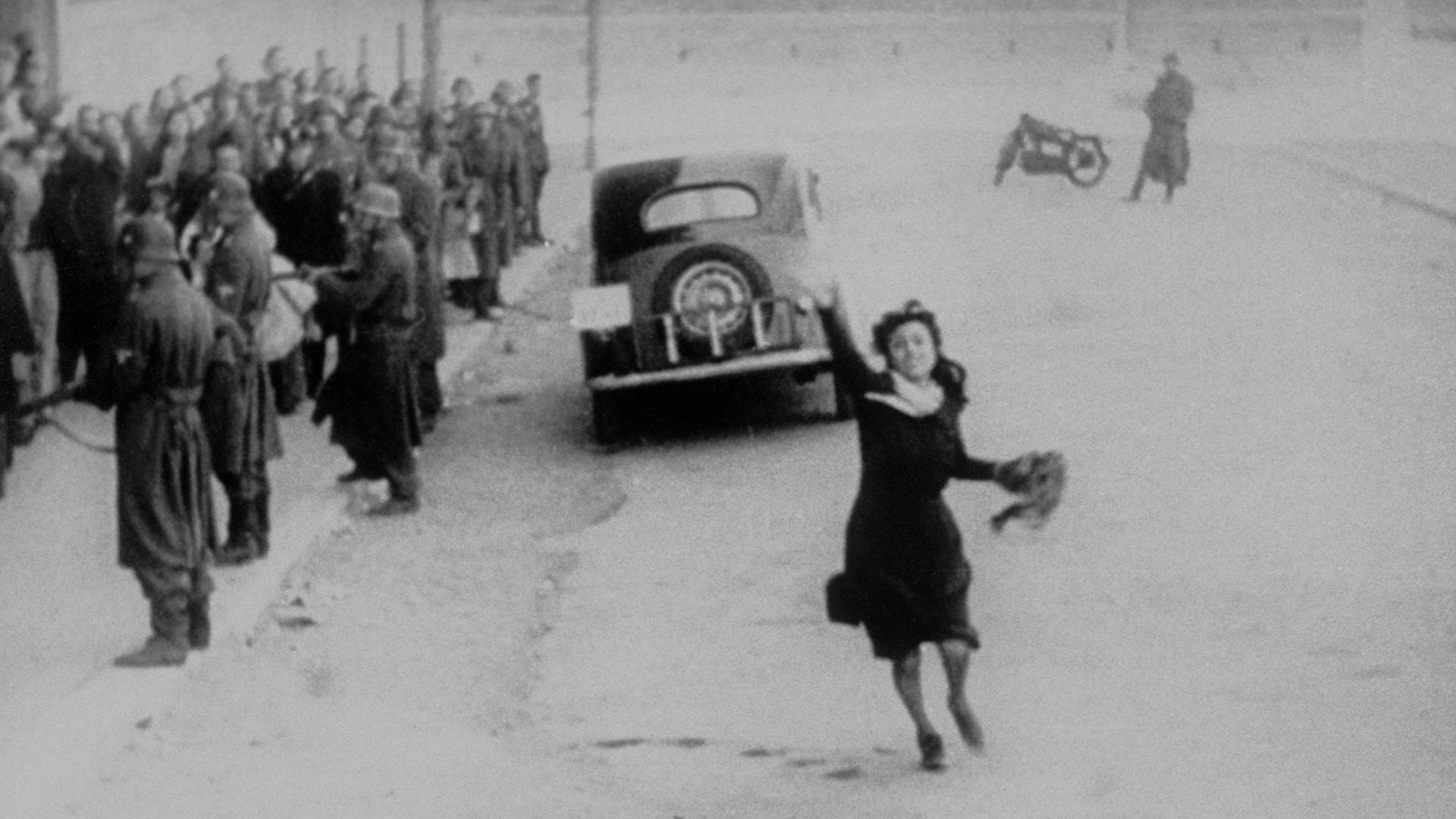
Roma città aperta (Rome Open City)
The landmark of Italian Neorealism that forever changed “the way the world thinks Cinema” - Martin Scorsese, Roberto Rossellini’s revolutionary, innovative masterpiece “Roma città aperta”, written, among others, by Federico Fellini, captures the courage and resilience of the people of a city under occupation.
Part of the Honoring The Twin Cities Program
+ Intro and post-screening analysis with Richard Peña, Emeritus Professor, Columbia University and Director Emeritus, New York Film Festival.
+ Q&A moderated by Richard Peña with Tommaso Cammarano, IFF’s Artistic Director
ABOUT THE FILM
Though told with more melodramatic flair than the other films that would form “The War Trilogy” (Paisa’ and Germania Anno Zero) and starring some well-known actors—Aldo Fabrizi as a priest helping the partisan cause and Anna Magnani in her breakthrough role as the fiancée of a resistance member—Rome Open City (Roma città aperta) is a shockingly authentic experience, conceived and directed amid the ruin of World War II, with immediacy in every frame. Marking a watershed moment in Italian cinema, this galvanic work garnered awards around the globe and left the beginnings of a new film movement in its wake.
Filmed in 1945, just after Rome’s liberation from Nazi occupation, the film blends professional and non-professional actors, on-location shooting, and urgent realism to tell the stories of ordinary citizens resisting oppression.
The narrative follows a diverse cast of characters, including the priest Don Pietro (Aldo Fabrizi), the communist leader Giorgio Manfredi (Marcello Pagliero), and Pina (Anna Magnani), a young woman navigating love, fear, and resistance. Their paths intersect amid arrests, betrayals, and acts of courage, illustrating the moral and human complexities of survival under fascism.
Rossellini’s raw, urgent style, with natural lighting and real streets as sets, conveys a visceral sense of immediacy and danger, making audiences feel the oppression, hope, and resilience of occupied Rome. The film’s blend of tragedy and heroism set a template for post-war cinema, influencing generations of filmmakers worldwide.
Upon release, “Roma città aperta” won the Grand Prize at the 1946 Cannes Film Festival, the New York Critics Circle Award for Best Foreign Film, and cemented Anna Magnani’s international reputation.
DIRECTOR'S BIO:
Roberto Rossellini
One of the founders of Italian Neorealism. Roberto Rossellini (1906–1977), originally trained as an engineer, began his career in film in the 1930s directing documentaries and short films, including works for the Italian government. His breakthrough came with “Roma città aperta” (1945, Grand Prize at Cannes, New York Critics Circle Award), which, along with Paisa () and Germania Anno Zero constitutes the so called “War Trilogy”
Rossellini’s neorealist films often explored ordinary lives under extraordinary historical circumstances. “Paisà” (1946, Venice Biennale Award) portrayed the encounters between Italians and Allied forces during the liberation, while “Germania anno zero” (1948) examined the moral and physical devastation of postwar Germany. These powerful films contributed to the spiritual rehabilitation of an entire culture and people, and that of the very soul of Italy, through cinema.
The trilogy starring Ingrid Bergman, his wife at the time, composed by “Stromboli” (1950) “Europa ’51” (1952), and “Viaggio in Italia” (1954) constituted a not well received, major departure from his “war” films. The three films, in fact, focused on stories of people dealing with very intimate, personal journeys and spiritual experiences and audiences at the time found the films to be too experimental if not plainly dull melodramas; nonetheless, the films of this trilogy greatly influenced the future course of cinema, marking the very beginning of modern cinema.